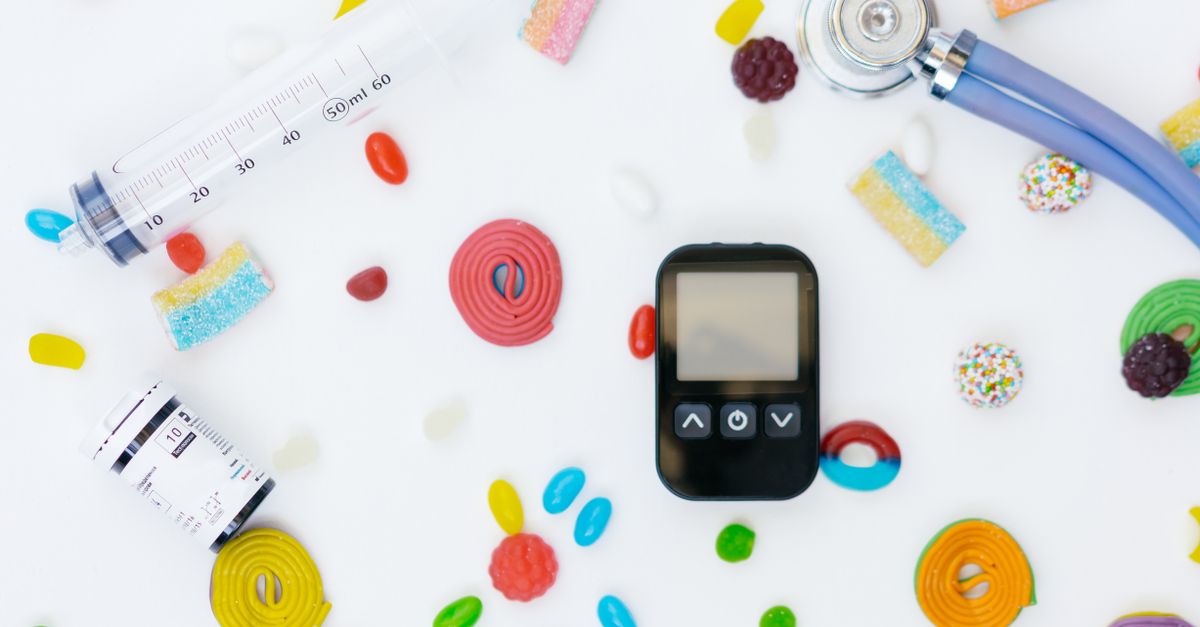
PLAB 2 Endocrinology: Mastering Diabetes OSCE Scenarios
Endocrinology stations featuring diabetes are among the most frequently tested scenarios in PLAB 2 OSCE examinations. As an examiner who has assessed countless candidates, I can tell you that diabetes cases offer rich opportunities to demonstrate clinical competence, communication skills, and safe prescribing—all crucial domains in the PLAB 2 marking scheme.
This guide will equip you with the essential knowledge, structured approaches, and practical strategies to confidently tackle diabetes-related OSCE stations.
Why Diabetes Dominates PLAB 2 Endocrinology Stations
Diabetes mellitus affects approximately 4.9 million people in the UK, making it one of the most prevalent chronic conditions you'll encounter as a junior doctor. The GMC recognises this, frequently testing candidates on:
New diagnosis counselling
Hypoglycaemia management
Medication adjustment and insulin initiation
Complication screening and management
Lifestyle modification discussions
These scenarios test your ability to combine clinical knowledge with patient-centred communication—the hallmark of a safe and effective practitioner.
Essential Diabetes Knowledge for PLAB 2
Classification at a Glance
| Type | Key Features | OSCE Relevance |
|---|---|---|
| Type 1 | Autoimmune, insulin-dependent, younger onset | DKA, insulin education |
| Type 2 | Insulin resistance, often overweight, progressive | Metformin, GLP-1s, SGLT2s |
| Gestational | Pregnancy-associated | Antenatal counselling |
Key NICE Guidelines You Must Know
NICE NG28 (Type 2 Diabetes in Adults):
First-line: Metformin (if HbA1c ≥48 mmol/mol)
Second-line: Add sulfonylurea, pioglitazone, DPP-4 inhibitor, or SGLT2 inhibitor
Third-line: Consider triple therapy or insulin
NICE NG17 (Type 1 Diabetes):
Multiple daily injection (MDI) regimens or continuous subcutaneous insulin infusion (CSII)
Carbohydrate counting education
Annual screening for complications
NICE NG19 (Diabetic Foot Problems):
Risk stratification
Urgent referral for foot ulcers
Common PLAB 2 Diabetes OSCE Scenarios
Scenario 1: New Diagnosis of Type 2 Diabetes
Station Brief: You are an F2 doctor in primary care. Mrs Patel, 52, has just been diagnosed with Type 2 diabetes following routine blood tests (HbA1c 58 mmol/mol). Explain the diagnosis and initial management plan.
Structured Approach:
-
Open with empathy
"I understand this may come as a surprise. Can you tell me what you already know about diabetes?"
-
Explain diagnosis clearly
Use simple language: "Your blood sugar levels are higher than normal, which means you have Type 2 diabetes."
Avoid jargon; explain HbA1c as "a measure of your average blood sugar over the past 3 months."
-
Discuss initial management
Lifestyle modifications first (diet, exercise, weight loss)
Medication: Metformin—explain benefits and common side effects (GI upset)
Mention the diabetes annual review process
-
Address concerns
"What questions do you have?"
Reassure: "Many people live full, healthy lives with well-managed diabetes."
-
Safety netting
Symptoms of hypoglycaemia (if starting medication)
When to seek help
Follow-up appointment
Examiner Tips:
Candidates often forget to assess prior knowledge—always check what the patient understands first
Discuss driving implications if relevant (DVLA notification for insulin-treated diabetes)
Arrange diabetic retinopathy screening
Scenario 2: Hypoglycaemia Management
Station Brief: You are the on-call F2 doctor. A nurse alerts you that Mr Thompson, 68 with Type 2 diabetes on gliclazide, appears confused and sweating. His capillary blood glucose is 3.2 mmol/L. Manage this acute scenario.
Immediate Management (15-15 Rule):
If patient is conscious and able to swallow:
Give 15-20g fast-acting carbohydrate (glucose tablets, Lucozade, glucose gel)
Recheck blood glucose after 15 minutes
If still <4 mmol/L, repeat treatment
Once recovered, give long-acting carbohydrate (biscuit, sandwich)
If patient is unconscious or unable to swallow:
Do NOT give oral glucose
Give IV glucagon 1mg OR IV 20% glucose 100ml
Position in recovery position
Monitor closely
Investigate cause and review diabetes medications
Communication Points:
Reassure the patient once recovered
Explain what happened and why
Review medications—consider reducing sulfonylurea dose
Educate on symptom recognition and self-management
Discuss sick day rules
Examiner Favourites:
Candidates who forget to identify the cause (missed meals, incorrect insulin dose, alcohol, infection)
Those who fail to adjust medications to prevent recurrence
Not arranging follow-up or education
Scenario 3: Insulin Initiation Counselling
Station Brief: You are an F2 in the diabetes clinic. Mr Ahmed, 45 with Type 2 diabetes, has suboptimal control on maximal oral therapy (HbA1c 75 mmol/mol). The consultant has decided to start insulin. Counsel Mr Ahmed about starting insulin therapy.
Key Discussion Points:
-
Why insulin?
Explain that tablets alone are no longer sufficient
Emphasise this is a progression of the condition, not patient failure
-
Types of insulin
Long-acting (background/basal): Once or twice daily
Short/rapid-acting (mealtime/bolus): With meals
Explain the regimen chosen (usually basal-bolus or basal-only initially)
-
Injection technique
Demonstrate with a dummy pen
Sites: Abdomen, thighs, arms—rotate injection sites
Storage: Keep in use pen at room temperature; spare pens in fridge
-
Self-monitoring
Teach blood glucose checking
Target ranges: Fasting 5-7 mmol/L, pre-meals 4-7 mmol/L
-
Hypoglycaemia awareness
Symptoms: Tremor, sweating, palpitations, confusion
Management: Fast-acting glucose, then slow-acting carbohydrate
-
Sick day rules
Continue insulin even if not eating
Monitor blood glucose more frequently
Check ketones if unwell
-
Driving regulations
Must inform DVLA
Must test before driving and every 2 hours on long journeys
Do not drive if glucose <5 mmol/L
Communication Excellence:
Address fears about injections (most patients anticipate pain, but modern pens are nearly painless)
Discuss support available (diabetes specialist nurse, structured education programmes)
Provide written information
Scenario 4: Diabetic Foot Examination
Station Brief: You are an F2 in the diabetes clinic. Perform a diabetic foot examination on Mr Roberts, 65, who has Type 2 diabetes of 15 years' duration.
Structured Examination (IPCAP):
Introduction and Permission
Introduce yourself, explain examination, gain consent
Expose both feet and lower limbs
Clinical Assessment:
-
Inspection
Skin: Colour, integrity, ulcers, calluses, fissures
Nails: Thickness, fungal infection, ingrowth
Deformities: Charcot foot, claw toes, hammer toes
Pressure areas
Footwear: Appropriate? Signs of rubbing?
-
Palpation
Temperature: Compare both feet ( unilateral cold → arterial disease; unilateral warm → Charcot or infection)
Pulses: Dorsalis pedis and posterior tibial
Capillary refill time
-
Neurological Assessment
10g monofilament: Test at 10 sites on each foot (patient closes eyes, says "yes" when felt)
128Hz tuning fork: Vibration perception at hallux
Proprioception: Hallux movement
Reflexes: Ankle jerk (may be absent in peripheral neuropathy)
Assessment and Plan:
Risk stratify (NICE NG19):
| Risk Category | Features | Management |
|---|---|---|
| Low | Normal pulses, no neuropathy, no deformity | Annual review |
| Moderate | Neuropathy OR absent pulses | 6-12 monthly review |
| High | Neuropathy AND absent pulses OR deformity OR previous ulcer | 3-6 monthly, podiatry referral |
| Active foot disease | Ulcer, infection, Charcot | Urgent specialist referral |
Examiner Checklist:
Did the candidate check for both neuropathy AND vascular disease?
Did they risk stratify appropriately?
Did they provide appropriate follow-up and referral?
Scenario 5: Diabetes and Pregnancy Counselling
Station Brief: You are an F2 in the antenatal clinic. Mrs Khan, 32, has Type 1 diabetes and is planning pregnancy. Counsel her about preconception care.
Critical Discussion Points:
-
Glycaemic optimisation
Target HbA1c <48 mmol/mol if safe
Tight control reduces risk of congenital malformations and miscarriage
-
Medication review
Stop: ACE inhibitors, ARBs, statins (teratogenic)
Continue: Insulin (safe in pregnancy), metformin (if already on it, discuss with specialist)
Folic acid 5mg daily (higher dose for diabetic women)
-
Retinopathy screening
Rapid improvement in glucose control can worsen retinopathy
Ensure recent retinal screening
-
Antenatal care pathway
Joint diabetes-antenatal clinic
Increased monitoring frequency
Delivery planning (often earlier, around 37-38 weeks)
-
Risks to discuss
Macrosomia, neonatal hypoglycaemia, preterm delivery
Reassure that good control minimises these risks
Marking Scheme Alignment
Understanding how PLAB 2 OSCEs are scored helps you focus your preparation:
Clinical Assessment (Data Gathering)
Appropriate history/examination
Correct interpretation of findings
Formulating differential diagnoses
Clinical Management
Appropriate investigations
Evidence-based treatment plans
Safety netting and follow-up
Interpersonal Skills
Patient-centred approach
Clear explanations without jargon
Addressing concerns and checking understanding
Practical Skills
Injection technique demonstration
Blood glucose meter use
Foot examination technique
Red Flags and Danger Signs in Diabetes OSCEs
Always mention these to demonstrate safety awareness:
-
Diabetic Ketoacidosis (DKA)
Hyperglycaemia, ketosis, acidosis
More common in Type 1 but can occur in Type 2
Admit, IV fluids, fixed-rate insulin infusion, monitor potassium
-
Hyperosmolar Hyperglycaemic State (HHS)
Profound hyperglycaemia (>40 mmol/L), dehydration, altered consciousness
More common in Type 2
Careful fluid resuscitation, avoid rapid glucose correction
-
Diabetic Foot Emergencies
Infected ulcer, spreading cellulitis, Charcot foot
Urgent referral to diabetic foot multidisciplinary team
-
Hypoglycaemic Seizure or Unconsciousness
Medical emergency
IV glucose or glucagon
Post-event medication review
Practical Preparation Tips
1. Know Your Guidelines
Download NICE NG28 (Type 2), NG17 (Type 1), NG19 (Foot), NG3 (Gestational)
Be familiar with local protocols for DKA and HHS
2. Practice Communication
Explain diabetes to a layperson using simple language
Practice demonstrating injection technique with a pen device
Role-play breaking bad news scenarios
3. Clinical Skills
Practice foot examination on colleagues or mannequins
Be comfortable with blood glucose meters
Know how to calculate insulin doses
4. Time Management
In PLAB 2, stations last 8 minutes
Practice completing consultations within time
Use a structured approach (ICE, ICE, ICE for history)
5. Watch for Hidden Cues
Simulated patients may give subtle hints about their concerns
Address psychosocial aspects (impact on work, driving, relationships)
Summary: Your Diabetes OSCE Checklist
Before any diabetes station, mentally run through this checklist:
[ ] Assess patient's existing knowledge
[ ] Use simple, jargon-free language
[ ] Cover diagnosis, management, and follow-up
[ ] Discuss lifestyle modifications
[ ] Address driving implications (if on insulin or sulfonylureas)
[ ] Provide safety netting for hypoglycaemia
[ ] Arrange appropriate screening (retinopathy, foot, renal)
[ ] Check patient understanding and address concerns
[ ] Provide written information and support resources
Final Thoughts
Diabetes OSCE stations in PLAB 2 are opportunities to demonstrate that you are a safe, competent, and compassionate doctor. By mastering the clinical knowledge, practising your communication skills, and understanding what examiners are looking for, you will be well-prepared to excel in these scenarios.
Remember: The examiners are not trying to catch you out—they want to ensure you can practise safely as a junior doctor in the NHS. Approach each station calmly, systematically, and with the patient at the centre of your care.
Good luck with your PLAB 2 preparation!
Dr. [Author]
MRCGP, MRCP (UK)
PLAB 2 Examiner and Clinical Supervisor
Join the Discussion
Share your thoughts and insights with the medical community
Comments
Delete Comment
Are you sure you want to delete this comment? This action cannot be undone.