PLAB 2 Dermatology: Mastering Eczema Management Guidelines for OSCE Success
As International Medical Graduates (IMGs) navigate the crucial PLAB 2 exam, it's essential to master common conditions frequently encountered in UK general practice. One such condition, high-yield for OSCE scenarios, is Eczema, particularly Atopic Eczema. Understanding its diagnosis, management, and patient communication is paramount for success. This blog post, leveraging my years of experience as an examiner and medical educator, will guide you through the key guidelines and practical approach for excelling in Eczema scenarios.
Why Eczema is a PLAB 2 High-Yield Topic
Eczema is incredibly common, affecting a significant portion of the population, especially children. GPs frequently manage eczema, making it a staple in primary care consultations. In PLAB 2, you'll be tested not only on your clinical knowledge but also on your ability to communicate effectively, educate patients, and demonstrate a patient-centred approach – all critical aspects of managing chronic conditions like eczema.
Key Guidelines for Eczema Management (NICE/UK Standard Practice)
Successful management revolves around a stepped-care approach, with patient education at its core. Here’s a breakdown of the essentials:
-
Diagnosis:
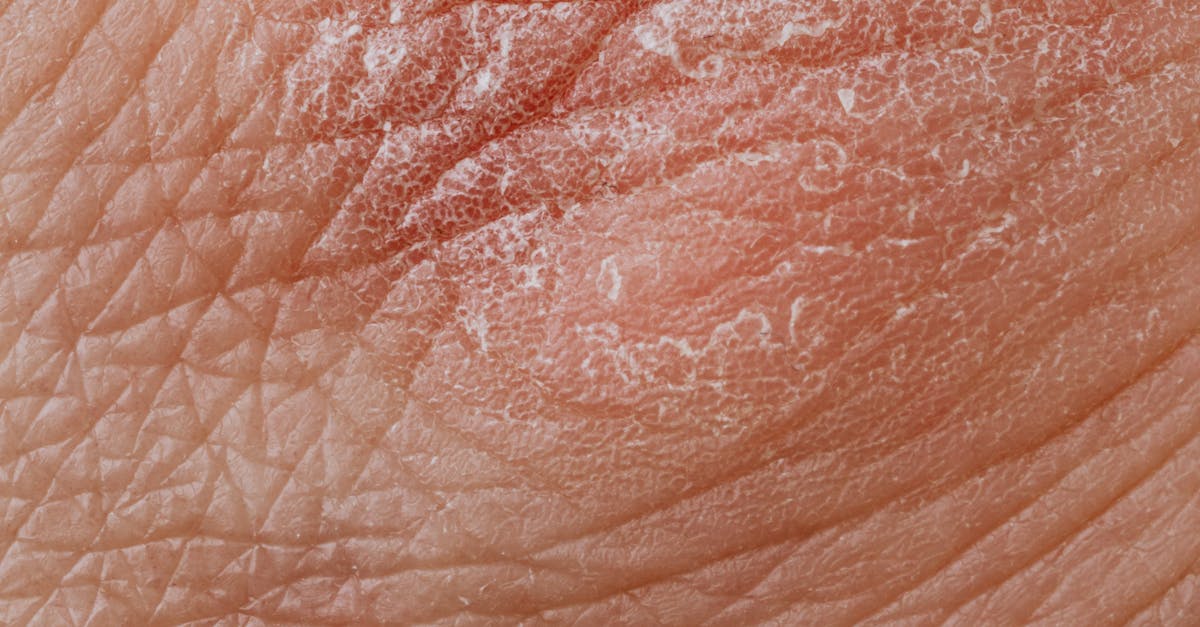
Clinical Picture: Characterised by itchy, inflamed, dry skin. Often presents with a flexural distribution (creases of elbows, knees) in older children/adults, and on the face/extensor surfaces in infants.
History Taking: Crucial for diagnosis and assessing severity. Ask about: itching (especially at night), rash onset and progression, triggers (soaps, detergents, stress, specific foods), impact on quality of life, previous treatments, family history of atopy (asthma, hay fever, eczema).
-
General Management & Emollients (The Cornerstone):
Emollients: These are the foundation of eczema care. They moisturise and protect the skin barrier. Emphasise generous and frequent application (at least 2-3 times a day, or more), even when the skin appears clear. Different types (creams, ointments, lotions) can be discussed to find what suits the patient best.
Bathing: Advise lukewarm water, short baths/showers, and using emollient wash products instead of soap. Pat skin dry gently.
Clothing: Suggest loose, cotton clothing to avoid irritation.
Avoiding Triggers: Identify and minimise exposure to known irritants (e.g., fragranced products, harsh detergents).
-
Topical Corticosteroids (For Flare-ups):
Purpose: To reduce inflammation during flare-ups. Not for daily, long-term use across large areas.
Potency: Explain the concept of different strengths (mild, moderate, potent, very potent) and why the doctor has chosen a specific strength.
Application: Apply thinly only to inflamed areas, usually once or twice daily, for a limited duration (e.g., 5-7 days) until the flare settles. Explain the 'fingertip unit' (FTU) concept for appropriate dosing.
Safety: Reassure patients about concerns regarding skin thinning, especially when used correctly and sparingly. Advise separating emollient and steroid application by at least 10-15 minutes (apply emollient first).
-
Managing Secondary Infection:
Recognition: Look for signs like weeping, crusting, pustules, rapid worsening of eczema, or fever. Staphylococcus aureus is a common culprit.
Management: May require topical or oral antibiotics (e.g., flucloxacillin) depending on severity and extent. Swab for microbiology if indicated.
-
Patient Education & Shared Decision-Making:
This is crucial for PLAB 2. Empower the patient with knowledge.
Explain the chronic, relapsing-remitting nature of eczema.
Discuss the 'preventative' role of emollients vs. 'treatment' role of steroids.
Provide written information (e.g., from NICE, patient.info) if available.
Safety Netting: Advise when to seek further medical attention (e.g., worsening rash, signs of infection, ineffective treatment, significant distress).
OSCE Approach to an Eczema Station
Build Rapport: Greet the patient warmly, introduce yourself, and confirm their name.
History Taking: Use open questions, then funnel. Cover all aspects mentioned above (itch, rash characteristics, triggers, impact, treatments, family history).
Examination (if indicated): Always ask for permission. A quick look at the affected area (e.g., flexures, hands) to confirm diagnosis and severity.
Explanation & Management Plan:
Clearly explain the diagnosis of eczema in simple terms.
Walk through the management plan: emollients (how and when), topical steroids (how, when, how much, duration, safety), trigger avoidance.
Emphasise the importance of continuous emollient use.
Address Concerns: Ask about the patient's understanding and any worries they might have.
Safety Netting: Clearly state when they should return or seek urgent advice.
Summarise and Offer Support: Offer a leaflet and reiterate your availability for further questions.
Tips for PLAB 2 Success
Practice Explaining FTUs: This is a common point of assessment.
Empathy is Key: Acknowledge the impact of chronic itching and visible skin conditions on quality of life.
Structured Approach: Always follow a logical history-examination-explanation-management-safety netting structure.
Role-play: Practice with peers to refine your communication skills, especially explaining steroid use and safety.
Mastering eczema management in PLAB 2 isn't just about reciting guidelines; it's about demonstrating confident, compassionate, and effective patient care. By focusing on these key areas, you'll be well-prepared to ace your dermatology OSCE stations!
Join the Discussion
Share your thoughts and insights with the medical community
Comments
Delete Comment
Are you sure you want to delete this comment? This action cannot be undone.