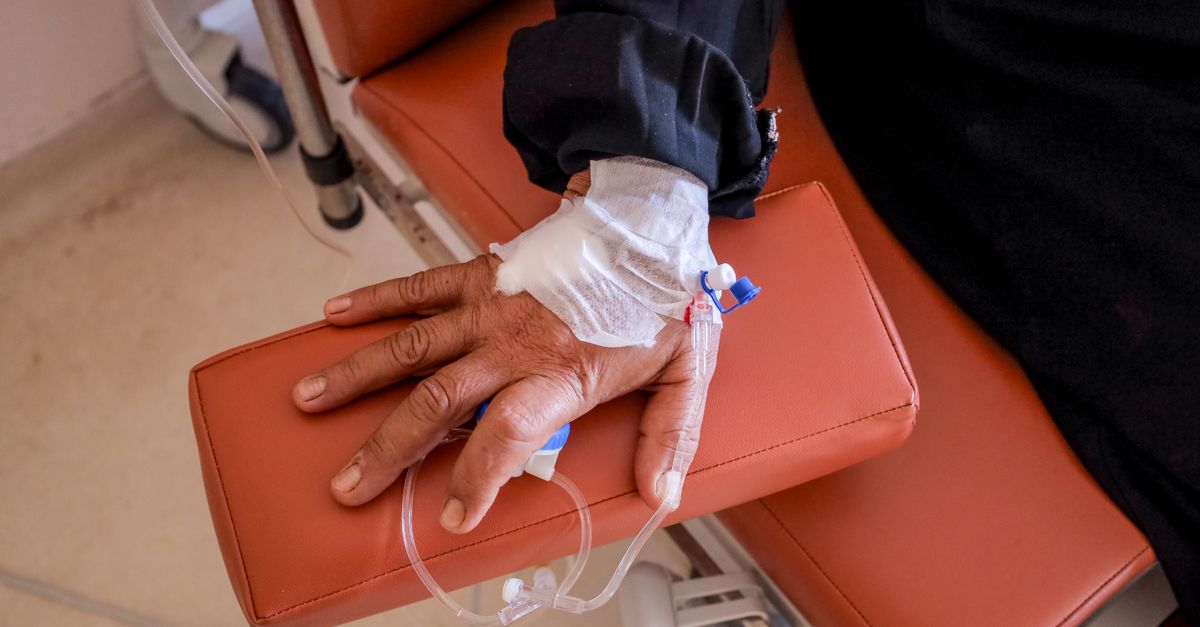
MRCP Oncology: Mastering Common Cancer Management Guidelines
As an aspiring physician navigating the challenging waters of the MRCP exam, you're well aware that a comprehensive understanding of various medical specialties is paramount. Among these, Oncology often presents a unique challenge, given its rapidly evolving landscape and the emotional weight associated with cancer care. However, for the MRCP, the focus is on a solid grasp of fundamental principles, common presentations, and crucial management guidelines that a general physician needs to know.
Having served as an examiner for numerous medical exams, including the MRCP, I can attest to the importance of approaching Oncology systematically. It's not about becoming a specialist oncologist overnight, but about mastering the high-yield topics and guidelines frequently tested.
Why Oncology is Crucial for Your MRCP Success
Cancer is a leading cause of mortality and morbidity worldwide. As future physicians, you will encounter cancer patients across all medical disciplines, whether it's diagnosing a new malignancy, managing treatment side effects, or providing palliative care. The MRCP assesses your ability to recognise, investigate, and initiate appropriate management for common cancers and their associated complications, adhering to established clinical guidelines.
Key Areas to Master for MRCP Oncology
Here's a breakdown of the essential topics and guidelines you should focus on:
1. Common Cancers: Epidemiology, Screening & Presentation
Lung Cancer: Most common cause of cancer death. Understand risk factors (smoking!), types (SCLC vs. NSCLC), common presentations (cough, haemoptysis, weight loss, clubbing, paraneoplastic syndromes like SIADH, Lambert-Eaton). Know the basics of screening recommendations for high-risk individuals.
Colorectal Cancer: Second most common cause of cancer death. Risk factors (age, family history, IBD, polyps), screening (faecal occult blood test/FIT, colonoscopy), and presentations (change in bowel habit, PR bleeding, anaemia). Hereditary syndromes (FAP, HNPCC/Lynch) are frequently tested.
Breast Cancer: Most common cancer in women. Risk factors, screening (mammography), and typical presentations (lump, skin changes, nipple discharge). Be aware of the common subtypes (ER/PR/HER2 status) and their implications.
Prostate Cancer: Common in men. Understand screening debates (PSA), common presentations (LUTS, bone pain from metastases), and staging basics.
Lymphoma & Leukaemia: Recognise the differing presentations of acute vs. chronic leukaemias, and Hodgkin's vs. Non-Hodgkin's lymphoma. Key symptoms include lymphadenopathy, B symptoms (fever, night sweats, weight loss), and cytopenias.
2. Principles of Diagnosis and Staging
For MRCP, you need to understand the principles of investigation, not intricate details:
Biopsy: The cornerstone of diagnosis. Know the different types (incisional, excisional, core, fine-needle aspiration) and when each is appropriate.
Imaging: Familiarity with when to use CXR, CT, MRI, PET scans for diagnosis and staging. Understand what TNM staging broadly represents (Tumour size, Nodal involvement, Metastasis).
3. General Principles of Cancer Management
Focus on the types of treatment and their common side effects and complications:
Surgery: Curative or palliative.
Radiotherapy: Localised treatment. Understand acute and chronic side effects (e.g., radiation pneumonitis, proctitis, skin changes).
Chemotherapy: Systemic treatment. Crucial for MRCP: Know common side effects like myelosuppression (leading to neutropenia, anaemia, thrombocytopenia), nausea/vomiting, mucositis, alopecia, neuropathy, cardiotoxicity (e.g., anthracyclines). Be aware of specific drug toxicities (e.g., cisplatin nephrotoxicity).
Targeted Therapies & Immunotherapy: Be aware of the concept and major examples (e.g., trastuzumab for HER2+ breast cancer, EGFR inhibitors for lung cancer, checkpoint inhibitors like pembrolizumab). Understand that these also have unique side effect profiles (e.g., immune-related adverse events with immunotherapy).
4. Oncological Emergencies: High-Yield for MRCP
These are critical and frequently tested due to their acute nature and the need for prompt recognition and management:
Spinal Cord Compression: Key symptoms (back pain, weakness, sensory changes, bladder/bowel dysfunction). Management: High-dose steroids (e.g., dexamethasone), urgent imaging (MRI spine), neurosurgical/oncology referral.
Superior Vena Cava (SVC) Obstruction: Clinical features (facial/neck swelling, dyspnoea, dilated neck veins). Management: Head elevation, oxygen, diuretics, sometimes steroids. Definitive treatment depends on cause (radiotherapy/stenting).
Hypercalcaemia of Malignancy: Common. Clinical features (fatigue, confusion, polyuria, constipation, nausea). Management: IV fluids (0.9% saline), bisphosphonates (e.g., zoledronic acid), calcitonin.
Tumour Lysis Syndrome: Occurs rapidly after chemotherapy in highly proliferative tumours. Characterised by hyperkalaemia, hyperphosphataemia, hypocalcaemia, hyperuricaemia, and acute kidney injury. Management: Aggressive hydration, allopurinol/rasburicase, electrolyte correction.
Febrile Neutropenia: A medical emergency. Fever (>38°C) with neutropenia (ANC <0.5 x 10^9/L). Management: Prompt broad-spectrum IV antibiotics, seek for source, granulocyte colony-stimulating factors (G-CSFs) might be used in specific cases.
5. Palliative Care Principles
Understand the goals of palliative care: symptom control, improving quality of life, psychological and spiritual support. Key aspects include pain management (WHO analgesic ladder), nausea, dyspnoea, and end-of-life discussions.
Exam Strategy for Oncology Questions
Recognise Patterns: MRCP questions often present a clinical vignette followed by questions on diagnosis, staging, management, or complications.
Prioritise Emergencies: Be adept at identifying and managing oncological emergencies, as they are frequently tested.
Focus on Principles: Don't get bogged down in the minutiae of individual chemotherapy regimens. Instead, understand the class of drug, its mechanism (broadly), and its major side effects.
Guidelines: Refer to national guidelines (e.g., NICE in the UK) for management algorithms, especially for common cancers and oncological emergencies.
Recommended Resources
Medical Textbooks: Davidson's Principles & Practice of Medicine, Kumar & Clark's Clinical Medicine – chapters on Oncology.
Online Resources: NICE Guidelines, ESMO guidelines (for European context), Uptodate (for current management).
Question Banks: Practice questions specifically designed for MRCP will help you understand the exam's style and focus areas.
Mastering Oncology for the MRCP is about building a strong foundation in common cancer presentations, understanding the core principles of diagnosis and management, and being ready to tackle oncological emergencies. By systematically reviewing these areas and focusing on the relevant guidelines, you'll be well-prepared to excel in this crucial section of your exam.
Good luck with your preparation!
Join the Discussion
Share your thoughts and insights with the medical community
Comments
Delete Comment
Are you sure you want to delete this comment? This action cannot be undone.