Mastering Psoriasis Management Guidelines for SCE Dermatology Success
Psoriasis is a chronic, immune-mediated inflammatory skin condition that frequently appears in dermatology examinations. For candidates preparing for the SCE (Specialist Certification Exam) in Dermatology, a thorough understanding of current management guidelines is essential. This comprehensive guide covers the key aspects of psoriasis diagnosis, classification, and treatment according to latest UK guidelines.
Understanding Psoriasis: Clinical Presentation
Psoriasis affects approximately 2-3% of the UK population and presents in several clinical variants:
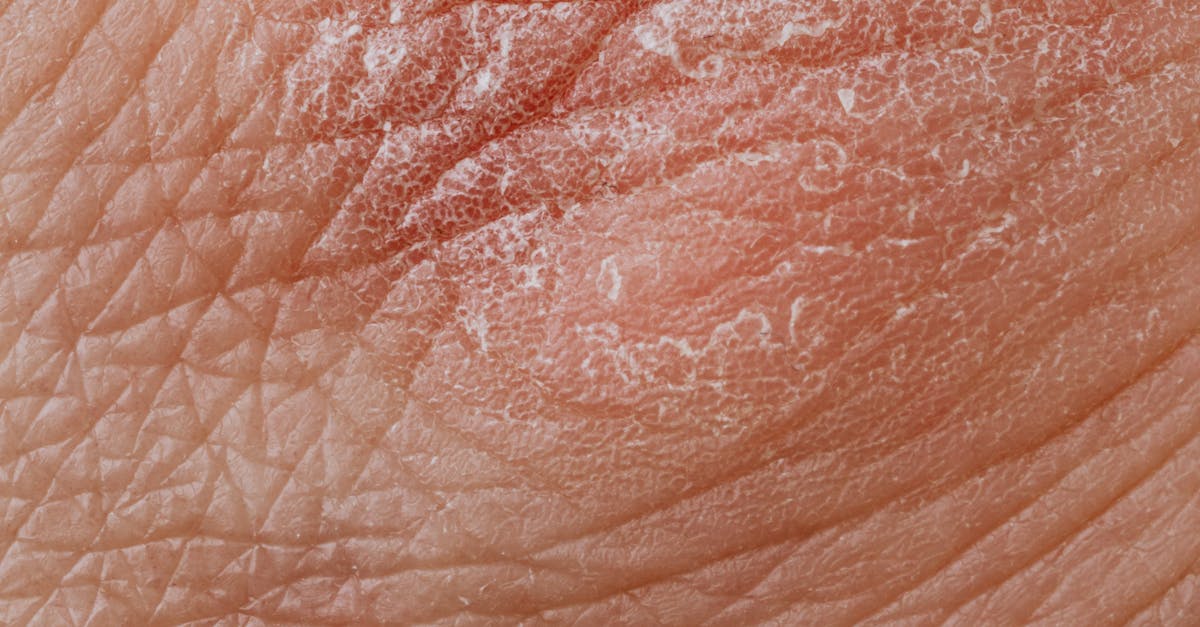
Plaque Psoriasis: Most common form (80-90% of cases), characterized by well-demarcated, erythematous plaques with silvery scale
Guttate Psoriasis: Small, drop-shaped lesions often following streptococcal infection
Inverse Psoriasis: Smooth, shiny lesions in flexural areas
Pustular Psoriasis: Sterile pustules, which can be localized or generalized
Erythrodermic Psoriasis: Widespread redness covering >90% body surface area
Assessment and Severity Scoring
Before initiating treatment, proper assessment is crucial. The Psoriasis Area and Severity Index (PASI) is the gold standard for measuring psoriasis severity and monitoring treatment response. A PASI score >10 or involvement of >10% body surface area generally indicates moderate-to-severe disease requiring systemic therapy.
The Dermatology Life Quality Index (DLQI) is also essential for assessing the psychosocial impact and determining treatment eligibility.
First-Line Management: Topical Therapies
Emollients and Moisturizers
Emollients form the foundation of psoriasis management:
Daily application of emollients (e.g., unguentum, aqueous cream, epaderm)
Apply generously and frequently, especially after bathing
Can be used alone for mild disease or as adjunct to other treatments
Topical Corticosteroids
Topical steroids remain cornerstone therapy:
Mild potency (hydrocortisone 1%): For facial and intertriginous psoriasis
Moderate potency (betamethasone valerate 0.025%): For body lesions
Potent (betamethasone dipropionate 0.05%): For thick plaques on extensor surfaces
Very potent (clobetasol propionate): For stubborn plaques, limited to 2-week courses
Key Principle: Use weakest effective potency for shortest duration to minimize side effects.
Vitamin D Analogues
Calcipotriol (calcipotriene) is first-line for plaque psoriasis:
Apply twice daily to affected areas
Often combined with topical steroids (calcipotriol/betamethasone gel/ointment)
Maximum 100g per week to avoid hypercalcaemia
Calcineurin Inhibitors
Tacrolimus and pimecrolimus for sensitive areas:
Particularly useful for facial, intertriginous, and genital psoriasis
No risk of skin atrophy
May cause initial burning sensation
Phototherapy
For moderate-to-severe disease inadequately controlled with topical therapy:
Narrowband UVB
First-line phototherapy option
2-3 sessions per week
70-80% response rate
Cumulative exposure limits apply to minimize skin cancer risk
PUVA (Psoralen + UVA)
Oral or bath psoralen followed by UVA
Effective but requires careful monitoring
Higher long-term skin cancer risk than UVB
Systemic Therapies
Conventional Systemic Agents
For moderate-to-severe psoriasis:
Methotrexate:
First-line systemic agent
Starting dose: 2.5-5mg weekly, titrating to 15-25mg weekly
Requires baseline and ongoing monitoring (LFTs, FBC, renal function)
Folic acid 5mg weekly (taken 24-48 hours after methotrexate)
Contraindicated in pregnancy, liver disease, significant renal impairment
Ciclosporin:
Rapid onset of action
Dose: 2.5-5mg/kg/day in divided doses
Short-term use only (max 1 year)
Monitor blood pressure, renal function
Drug interactions common (check with BNF)
Acitretin:
Only oral retinoid for psoriasis
Dose: 25-50mg daily
Teratogenic - strict contraception required
Side effects: cheilitis, dry eyes, hyperlipidaemia
Biologic Therapies
For severe disease failing conventional systemic therapy:
TNF-alpha inhibitors:
Adalimumab: 40mg subcutaneous every 2 weeks
Infliximab: Loading dose then every 8 weeks
Etanercept: 50mg twice weekly for 12 weeks, then 50mg weekly
IL-17 inhibitors:
Secukinumab: 300mg at weeks 0, 1, 2, 3, 4, then monthly
Ixekizumab: 160mg at week 0, then 80mg every 2 weeks
IL-23 inhibitors:
Ustekinumab: Weight-based dosing at weeks 0, 4, then every 12 weeks
Guselkumab: 100mg at weeks 0, 4, then every 8 weeks
IL-12/23 inhibitor:
Ustekinumab (as above)
Small Molecule Inhibitors
Apremilast:
PDE4 inhibitor
Oral agent for moderate-to-severe psoriasis
Starting dose: 10mg daily, titrating to 30mg twice daily by day 6
Better side effect profile than traditional systemics
Requires monitoring for depression
Special Considerations
Psoriatic Arthritis
30% of psoriasis patients develop psoriatic arthritis
Early referral to rheumatology essential
Treatment may require disease-modifying antirheumatic drugs (DMARDs)
TNF inhibitors particularly effective
Pregnancy and Lactation
Emollients and topical steroids (hydrocortisone, betamethasone) are safe
Avoid methotrexate, acitretin, and biologics if possible
Consult specialist for individualised management
Vaccination
Live vaccines contraindicated on biologic therapies
Inactivated vaccines safe but may have reduced response
Annual influenza and pneumococcal vaccination recommended
SCE Exam Tips
Know the step-up approach: Topicals → Phototherapy → Systemic → Biologics
Remember PASI scoring: Crucial for defining moderate-to-severe disease
Drug monitoring schedules: Be familiar with baseline and follow-up investigations for each systemic agent
Contraindications: Know key contraindications for each treatment
Combination therapy: Often more effective - know common combinations (e.g., topical vitamin D + steroid)
Quality of life: Always consider DLQI in treatment decisions
Comorbidities: Screen for cardiovascular disease, depression, and psoriatic arthritis
Conclusion
Psoriasis management has evolved significantly with the advent of biologic therapies. For SCE Dermatology success, candidates must understand the stepwise approach to treatment, from emollients and topicals through to systemic therapies and biologics. Key examination points include appropriate severity assessment, selection of first-line therapies, monitoring requirements, and recognition of when to escalate treatment.
Remember: The goal is to achieve clear or almost clear skin (PASI 90) while minimizing treatment side effects and maintaining quality of life.
This guide is based on current NICE guidelines and standard UK dermatology practice. Always refer to the latest BNF and local guidelines for prescribing decisions.
Join the Discussion
Share your thoughts and insights with the medical community
Comments
Delete Comment
Are you sure you want to delete this comment? This action cannot be undone.